Table Of Content

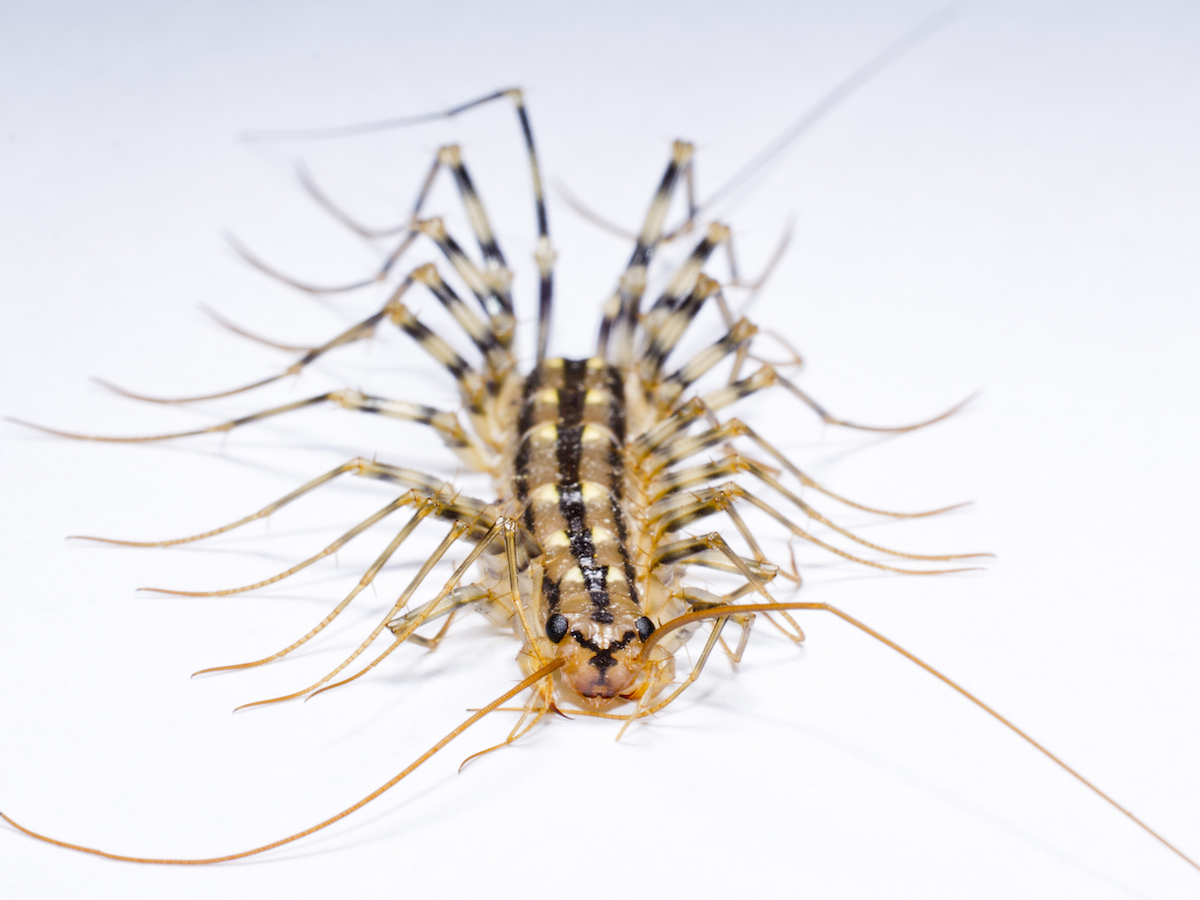
You’ll find this aptly-named centipede (Scutigera coleoptrata) all over North America, as well as Hawaii. Although a large one can look fearsome with its fifteen pairs of legs, it’s basically harmless, though it can inflict a painful nip if handled. House centipedes are natural pest killers, so they aren’t the worst bug to have around your house. If you encounter one and want it gone, try using a cup and a sheet of paper to remove it from your home. Yes, there are natural repellents like essential oils such as lavender, peppermint, or citrus that can help deter house centipedes. Placing cotton balls soaked in these oils in potential entry points can discourage them from entering.
Body
Rare sighting of carnivorous creepy-crawly - Newark Advertiser
Rare sighting of carnivorous creepy-crawly.
Posted: Sun, 21 Jan 2024 08:00:00 GMT [source]
Vacuum regularly, clean, and keep all house drains and pipes clean, well-maintained, and free of organic matter, eliminating all possible food sources. In conclusion, house centipedes pose minimal danger to humans and can even be helpful in controlling other pests in your home. As long as you maintain a clean environment and address any existing pest issues, there should be no need to worry about their presence. House centipedes are fascinating yet often misunderstood creatures that tend to startle unsuspecting homeowners. With their many legs and quick movements, they may appear intimidating, but these arthropods are actually harmless to humans and can even be beneficial by preying on other household pests.
Is a Scorpion Fly Dangerous? Uncovering the Truth About This Intriguing Insect

They hunt down bed bugs, roaches, spiders, silverfish, and termites. They’re purely insectivores, so while they eat and survive, they’re also clearing out more harmful pests from your home. House centipedes feed on small insects, insect larvae, and on spiders. Thus they are beneficial, though most homeowners take a different point-of-view and consider them a nuisance. Technically, the house centipede could bite, but it is considered harmless to people. House centipedes are usually found inside homes in damp areas like basements, crawl spaces, cellars, and bathrooms, especially in winter, when they move indoors.
13 Fall Bugs That Are Invading Your Home—and What to Do About Them - Bob Vila
13 Fall Bugs That Are Invading Your Home—and What to Do About Them.
Posted: Tue, 26 Sep 2023 07:00:00 GMT [source]
Household Items You Had No Idea Were Flammable
These centipedes move rapidly and are often seen darting across floors (source). Have you ever seen a many-legged creature scurrying so fast across the ground that you take a second look to make sure you actually saw it? Some of the plates covering the body segments fused and became smaller during the evolution to the current state of S. The resulting mismatch between body segments and dorsal plates (tergites) is the cause for this centipede's rigid body. And no, I’m not being held hostage by a bunch of centipedes. But if you do prefer them to stay outside, just follow a few simple tips.
All centipedes have very poor eyesight and track their prey through the use of touch and smell. In actuality, arthropods commonly known as wood eating centipedes are millipedes. While millipedes do closely resemble centipedes, millipedes are herbivores and detritivores, surviving on dead and decaying plant material, including wood or cellulose material.
They can travel 1.3 feet-per-second, which means they can usually get away from predators and easily catch up to their intended meal. Second, those appendages both fore and aft mean it’s hard to tell which end is the front, which can actually deter predators. Like almost every other bug out there, a centipede does have a purpose.
Pest Library
They take cover indoors when temperatures drop and stay safe from harsh winds. Symptoms of a giant desert centipede bite include intense pain, inflammation, redness, and swelling. If you see a centipede in your house, your first reaction might be to kill it. But even if you manage to catch it — which is difficult, because centipedes are really fast — you should think twice. As the name suggests, this centipede (Scolopocryptops sexspinosus) features a uniformly red or orange body, with lighter orange legs.
They patrol floors and walls in search of food, then scurry away when a person approaches. Outside you will find them under rocks and logs or in similar protected areas. If these methods for getting rid of house centipedes don't work, consider securing the help of professional exterminators. They have the relevant knowledge and tools to address this problem effectively. They can also offer integrated pest management that combines strategies to manage and prevent infestations. They are attracted to damp areas with high humidity and food sources.
On the next molt the centipede is considered an adolescent and will have 15 legs during each of the next four molts, after which it becomes an adult. It has 15 pairs of legs, the last pair nearly twice the length of the body on adult females. The centipede goes through six larval molts and four adult molts before reaching maturity.
House centipedes have a pair of legs called forcipules right below their mouths, converted to carry out pincer-like actions. They use these pincer-like legs to discharge a venomous sting at their prey or use it for self-defense. The pair of legs at the end of centipedes’ bodies is very long and resembles the antennae in front. This makes it tough for the centipede’s prey to differentiate the front from the rear. Centipedes are generally dark brown or yellow and sometimes have darker colors and markings.
So, keep your centipede bodyguard but be on the lookout for others. If you begin to see a lot of centipedes, you likely have an infestation, which is a sign of another insect infestation. Call a specialist if you suspect a centipede infestation is haunting your home. In addition to being harmless, centipedes actually keep your home clean. This means that they will eat cockroaches, millipedes, termites, and ants around your home.




No comments:
Post a Comment